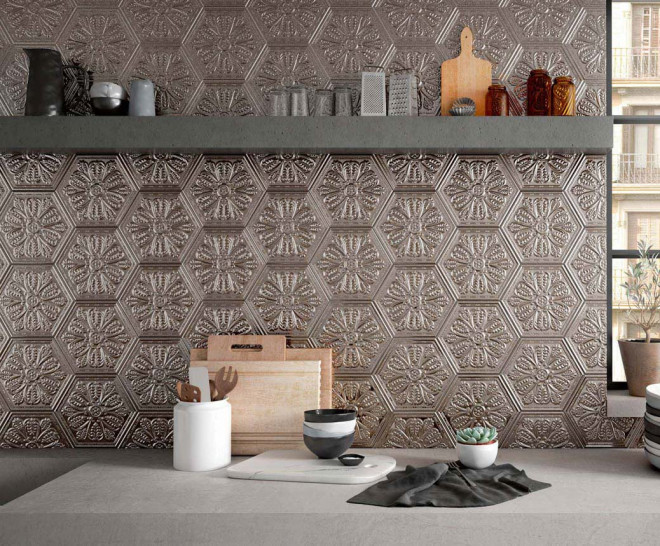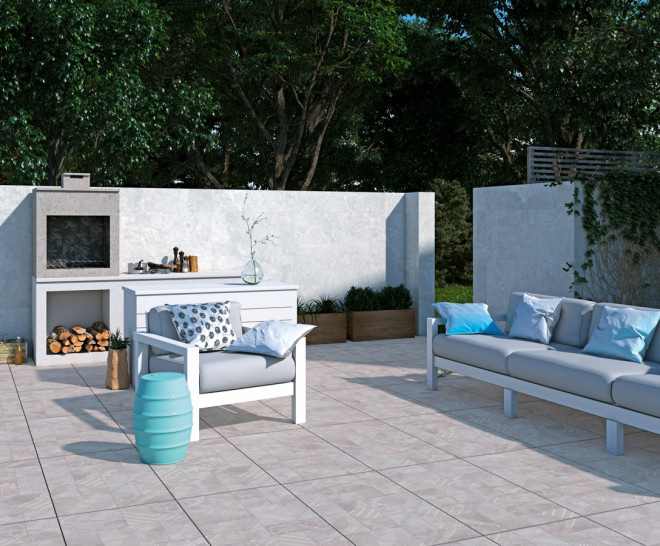
Interior wall coverings have moved beyond being a purely functional resource to become a key element in interior design. Their ability to introduce texture, contrast, and personality makes it possible to adapt each space to different styles and needs, while also reinforcing the visual coherence of a project when a greater sense of continuity between surfaces is desired.
From living rooms and bedrooms to kitchens, bathrooms, or transitional areas, the possibilities are increasingly diverse thanks to the evolution of available materials and formats. In this article, we explore the main options for interior wall cladding, their advantages, and the key considerations for choosing the most suitable solution for each space.
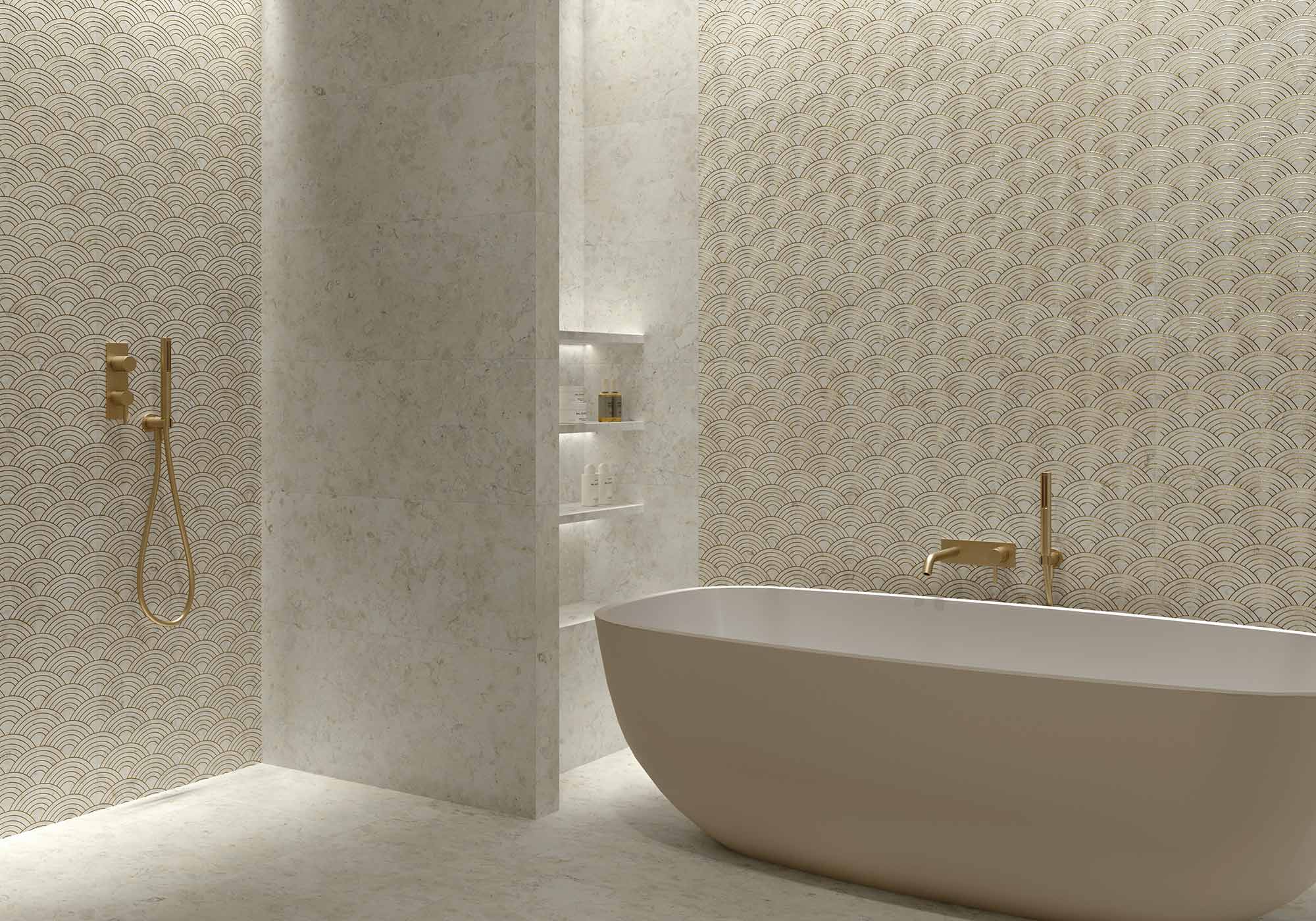
Perlino
What Is Interior Wall Cladding?
Interior wall cladding is a solution designed to cover the vertical surfaces of a room and give them a specific finish. Through materials, textures, colors, or reliefs, it enhances interior design and allows each space to be adapted to different styles and needs.
Today, there is a wide variety of options for interior wall cladding, ranging from wood or natural stone to high-performance ceramic solutions. Among these, porcelain wall coverings stand out for their versatility, durability, and ability to adapt to a wide range of design styles.
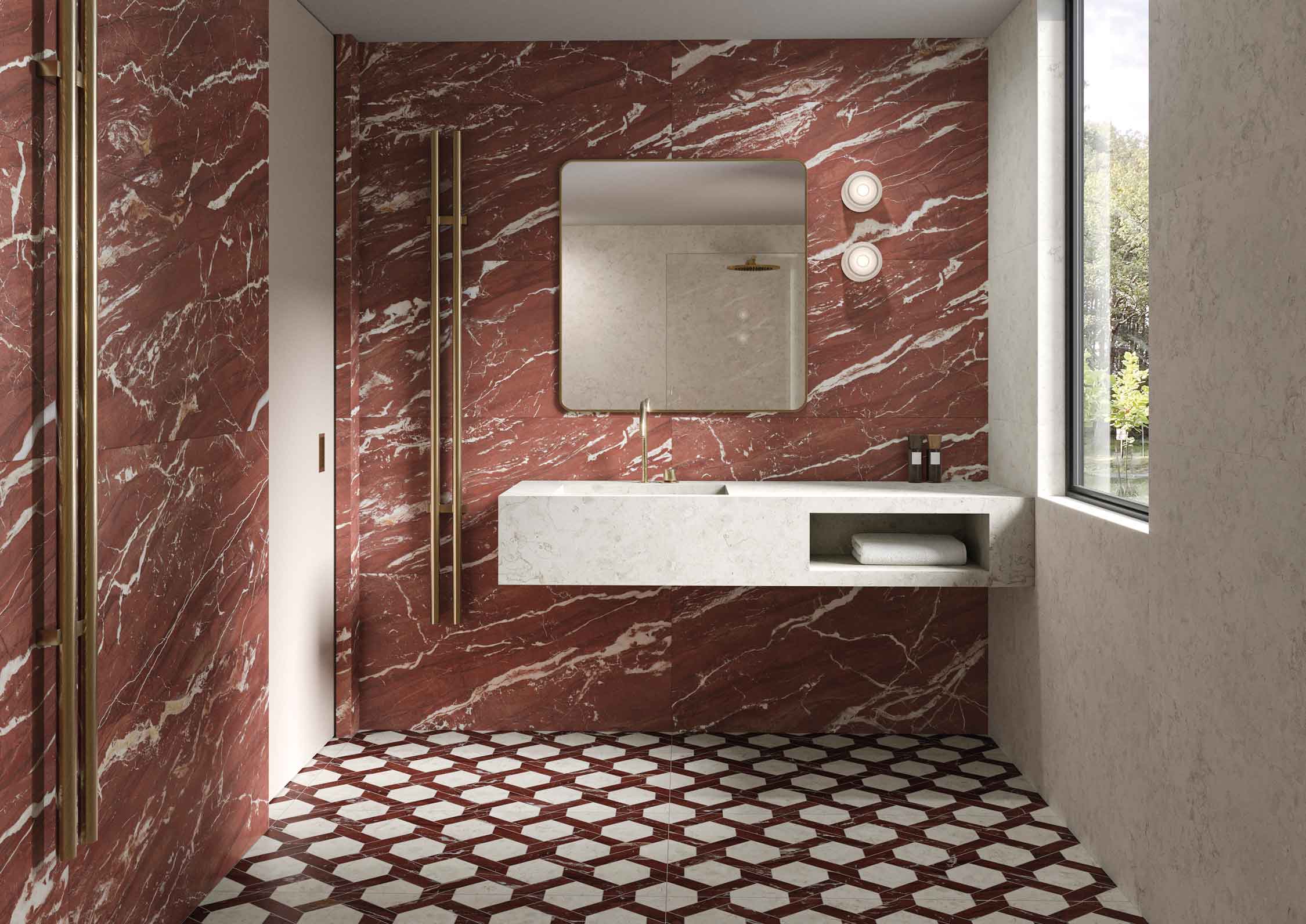
Marble
Why Cover an Interior Wall
Choosing wall cladding is not only a matter of design. Its impact on durability, maintenance, and the perception of space makes these solutions an increasingly popular tool among architects and interior designers.
Here are some of the reasons to clad and protect the walls of your home or project:
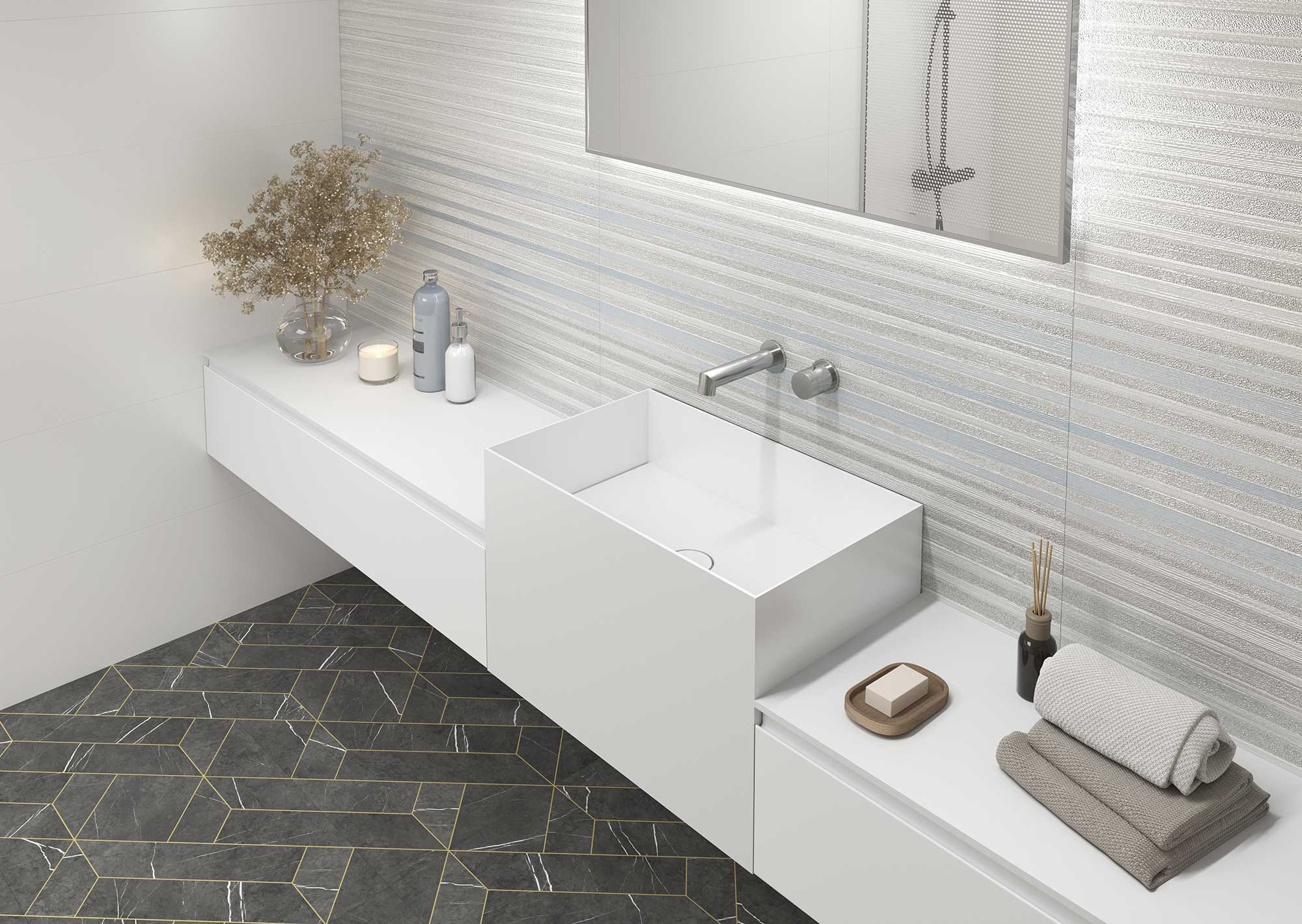
They protect walls against wear, scuffs, and moisture.
They expand design possibilities thanks to the wide variety of available textures, reliefs, colors, and formats.
They require little maintenance and maintain their appearance over time.
They allow you to introduce contrast, highlight specific areas, and reinforce the visual identity of a space.
Adom
Main Interior Wall Cladding Materials
The choice of material influences both the design and the performance of wall cladding. Today, there is a wide range of options for tiling interior walls, each offering distinct characteristics and decorative possibilities.
Porcelain wall coverings
Porcelain wall coverings stand out for their strength, durability, and design versatility. The evolution of formats, textures, and finishes allows them to be adapted to a wide variety of styles, from contemporary interiors to more classic approaches or designs inspired by natural materials.
Natural stone
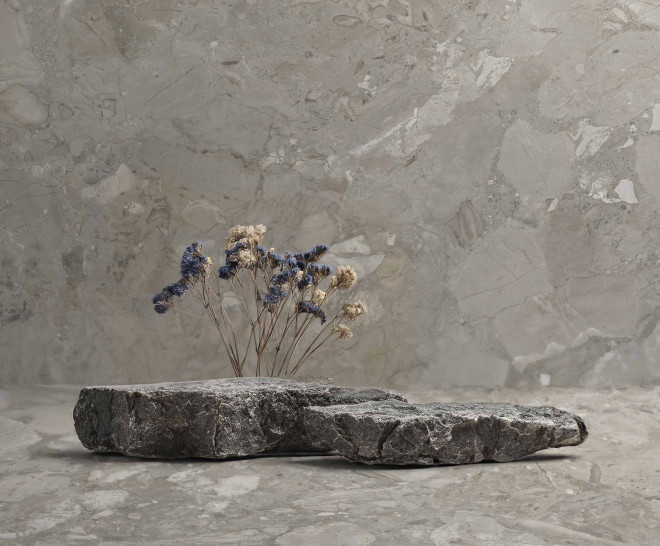
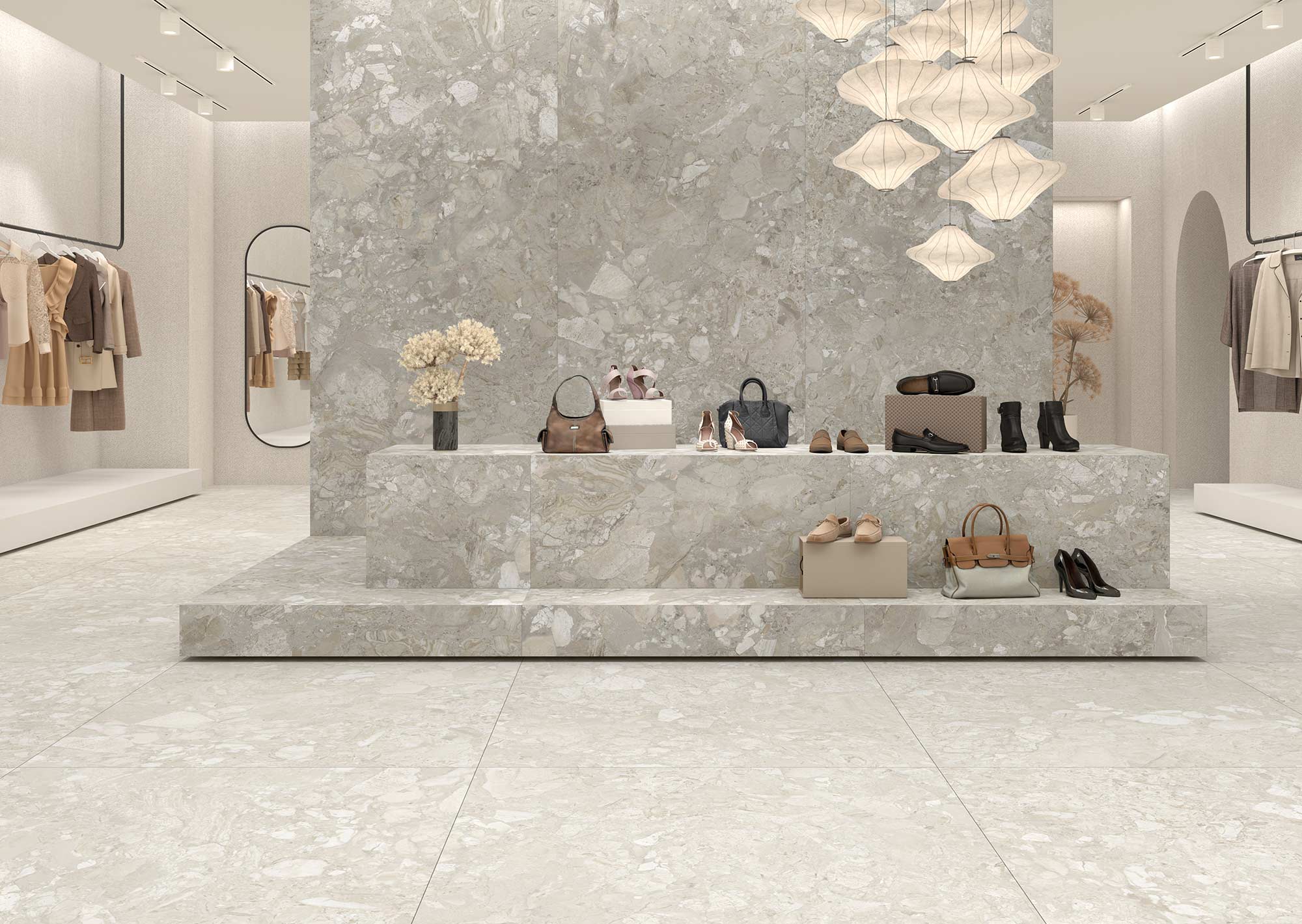
Natural stone brings texture, depth, and a strong connection to nature. Its ability to introduce character and authenticity makes it a common choice in projects seeking warm and timeless spaces. Its influence also extends to modern ceramic surfaces. As seen in many stone-effect wall designs, it is possible to recreate the visual richness of this material while benefiting from the advantages of ceramic solutions.
Ashen
Wood
Wood wall coverings remain a benchmark when the goal is to bring a sense of comfort and warmth to a space. Their presence helps soften contemporary interiors and create more welcoming environments. In recent years, slatted wood-inspired designs have helped refresh this type of solution, introducing rhythm, texture, and a strong decorative character to interior walls.
SPC and vinyl wall coverings
Vinyl materials and SPC wall coverings have gained popularity in recent years thanks to their ease of installation and low maintenance. Their wide variety of designs makes it possible to reproduce different finishes and adapt them to multiple interior design styles.
Leaves
Where to Use Interior Wall Cladding
Wall coverings can be adapted to virtually any interior space. The key lies in choosing the right material, design, and format to meet the needs of each area while reinforcing its identity.
In the kitchen
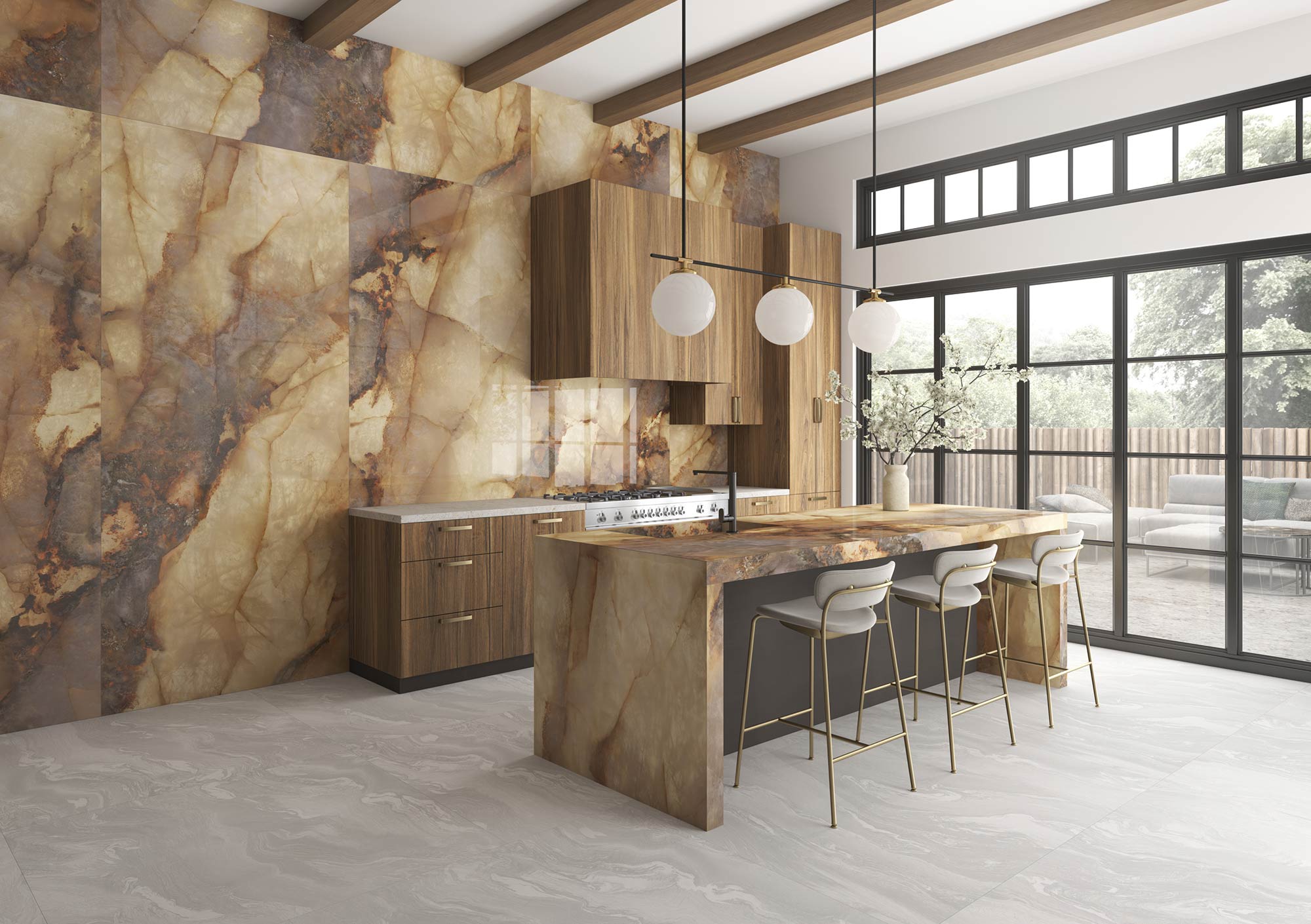
The kitchen is one of the spaces where wall cladding plays a particularly important functional role. Beyond protecting walls from splashes and moisture, it also allows for the introduction of texture, contrast, or continuity depending on the project’s style. In addition, kitchen wall coverings help define the overall material and aesthetic language of the space.
Lumen
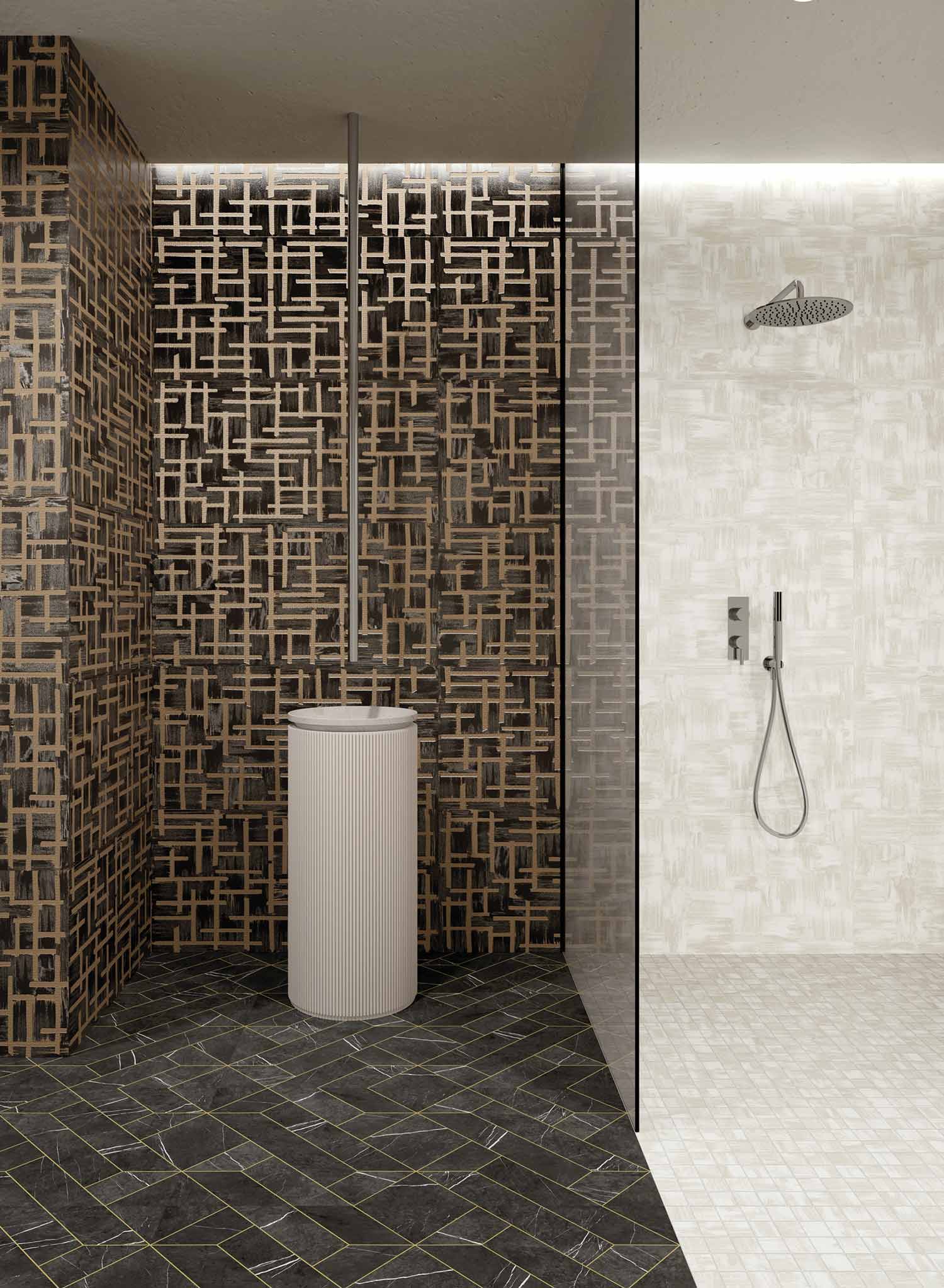
In the bathroom
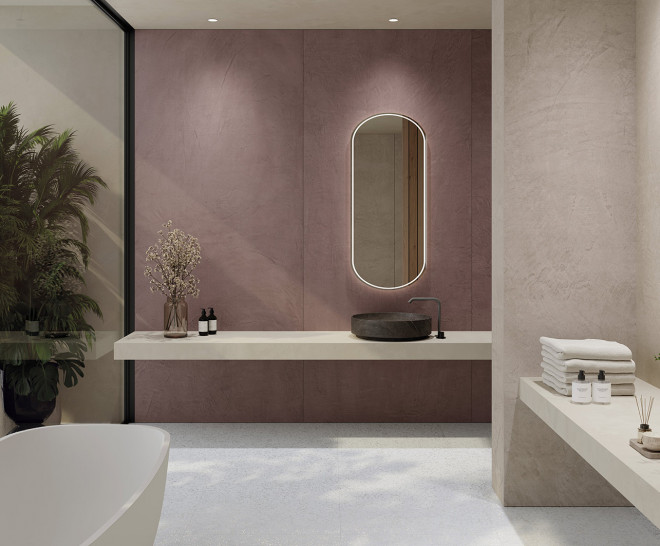
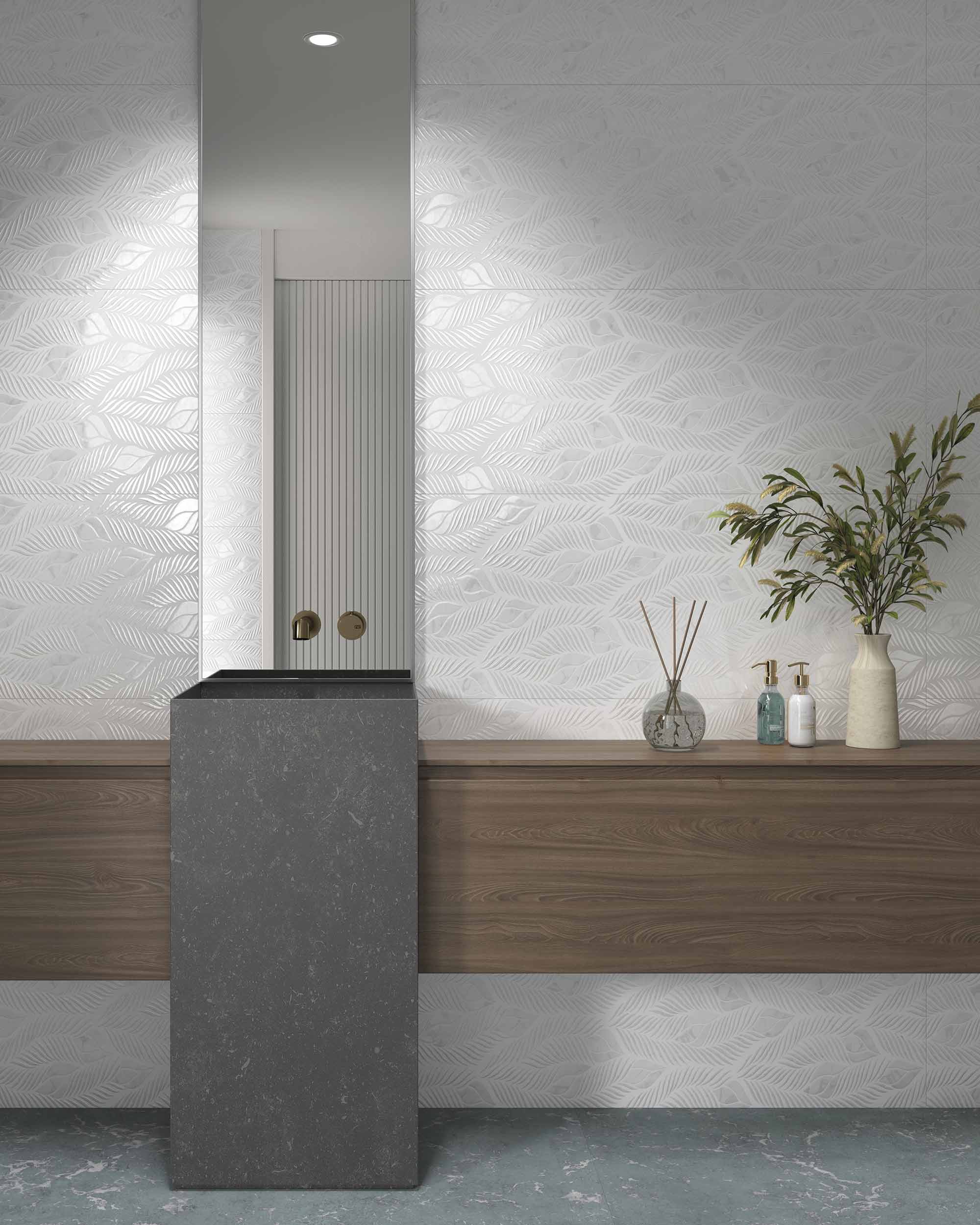
Its use is especially interesting in areas such as the shower, where wall cladding takes on a leading role within the overall design. Bathroom wall coverings make it possible to develop a wide range of proposals, from calm and minimalist spaces to compositions with a stronger decorative impact.
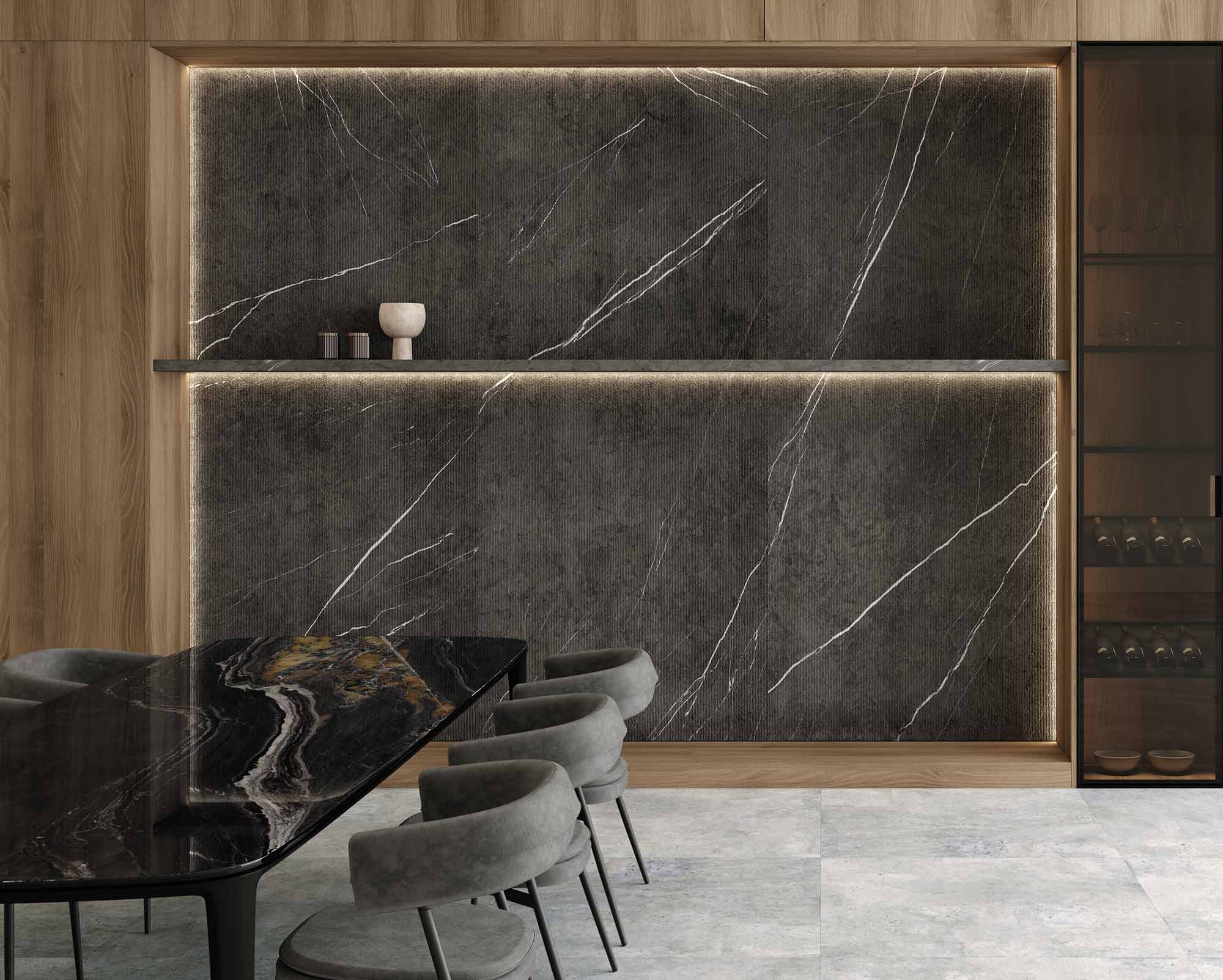
In living rooms and lounge areas
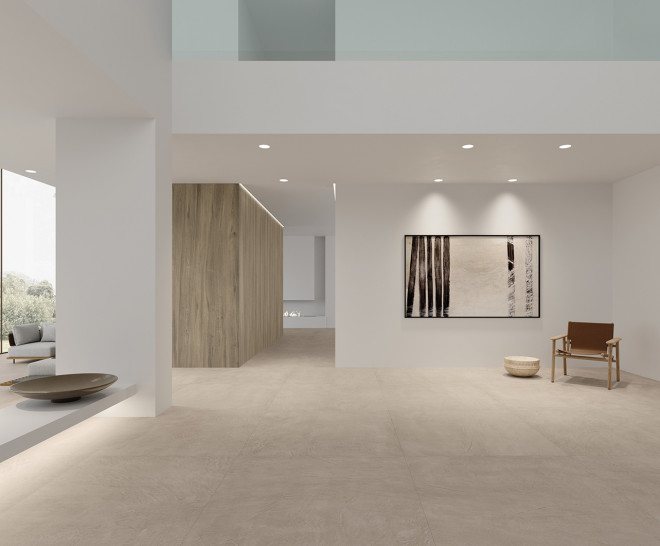
Ceramic wall coverings have expanded their presence in living rooms and social spaces thanks to their ability to add texture and depth to vertical surfaces. Used on a feature wall or as a unifying design element throughout a room, they help create spaces with a more defined identity.
Kroma
Argos Black
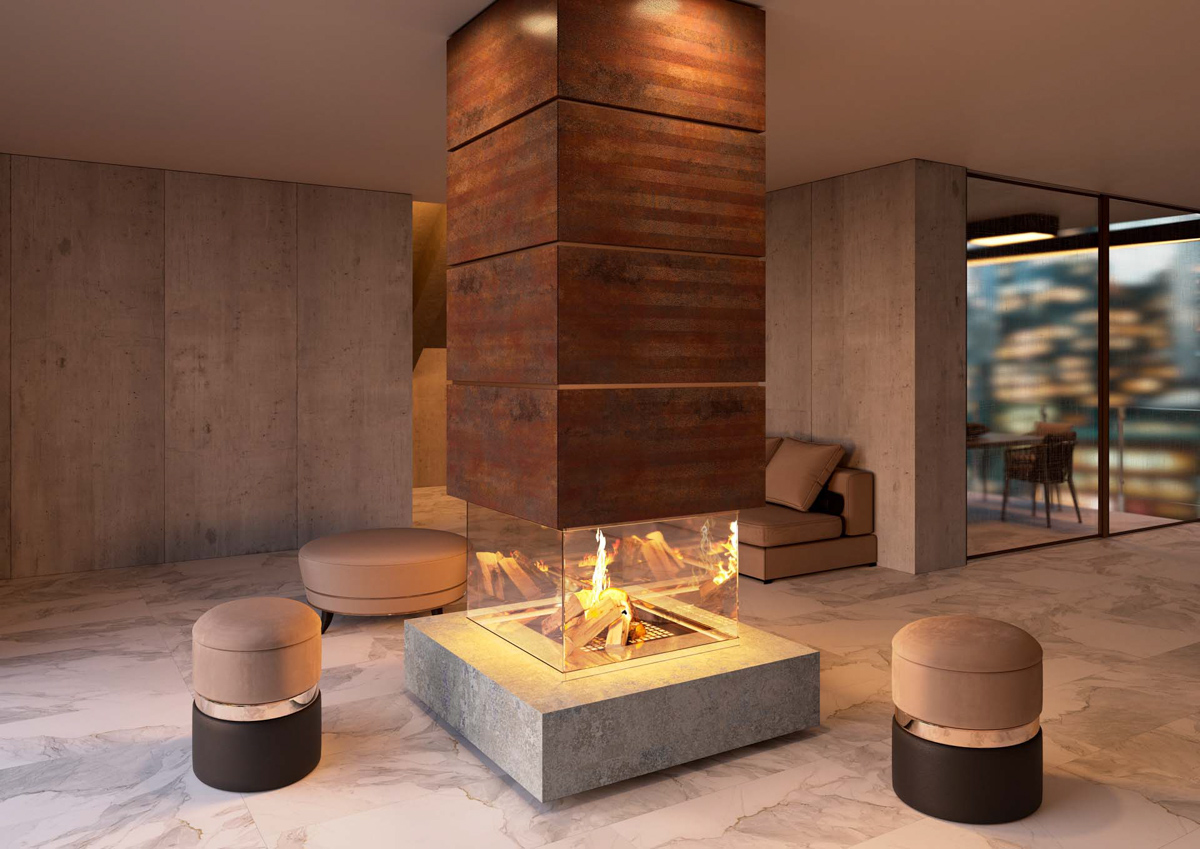
Around Fireplaces
The walls surrounding a fireplace often become one of the main focal points of a space. The right wall covering can enhance this feature and create compositions with a strong architectural presence, as seen in many fireplace cladding designs. For this type of application, it is important to choose materials that can maintain their performance when exposed to high temperatures.
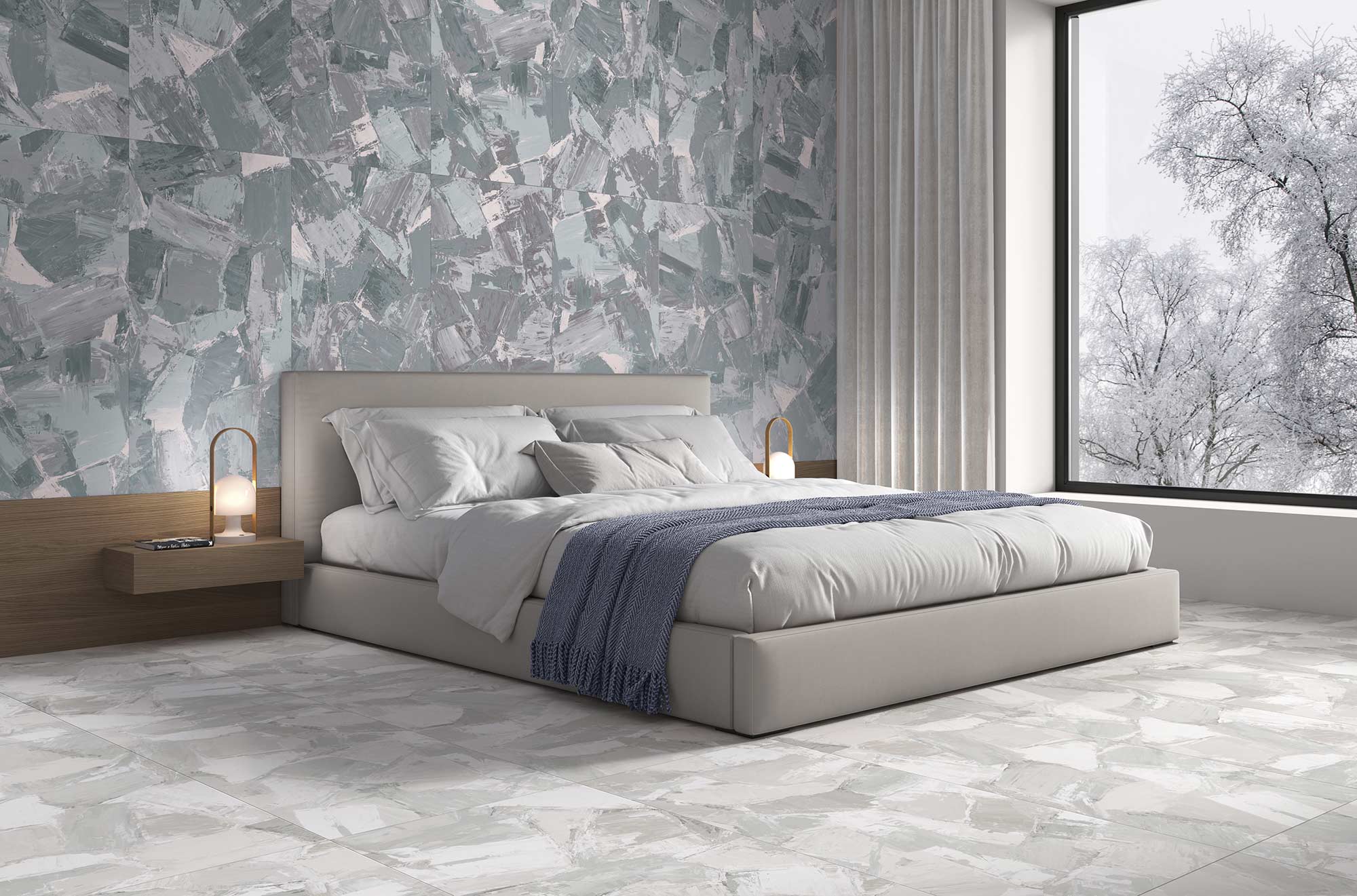
In bedrooms
In bedrooms, wall coverings are commonly used to highlight the headboard area or introduce a distinctive element within a more relaxed composition. Textures, reliefs, and designs inspired by textile materials help add depth and character while preserving a sense of comfort and tranquillity.
Corten
Oleo
Current Trends in Interior Wall Coverings
Interior wall coverings continue to evolve alongside new approaches to design. Among the most prominent trends are large-format wall coverings, textured tiles, and designs inspired by natural materials such as stone, wood, metal, or textiles. These solutions make it possible to create everything from understated contemporary interiors to more expressive and character-filled spaces.
As Akisa Mako, product designer at Apavisa, explains, “Wall covering is no longer understood simply as a finish, but as an element capable of bringing identity and character to a space.”
Porcelain: The Most Versatile Option
In this context, porcelain tile has become one of the most versatile solutions for interior wall coverings. Its ability to reproduce different materials, adapt to multiple formats, and meet the technical requirements of each project allows it to interpret many of the trends currently shaping interior design.
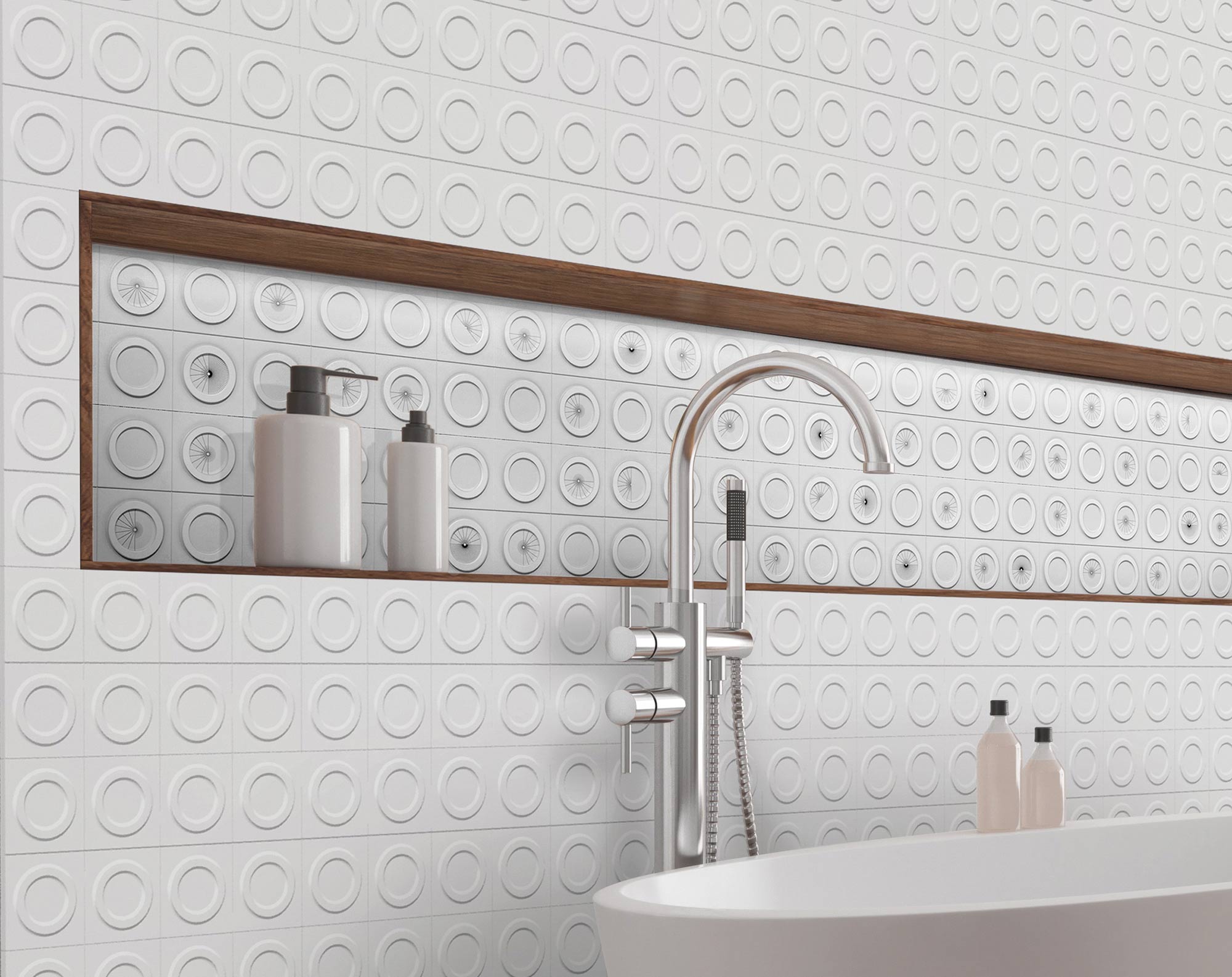
Alma
How to Choose the Right Wall Covering
The choice of wall covering will depend on factors such as the function of the room, the style of the project, and the performance expected from the material. Before making a decision, it is worth considering several key aspects:
Assess the conditions of the space, especially in areas exposed to moisture, heat, or intensive use.
Look for materials that combine design and long-term technical performance.
Choose formats, textures, and finishes that are consistent with the other elements of the project.
Consider maintenance requirements and ease of cleaning, particularly in kitchens and bathrooms.
Prioritize versatile solutions that can adapt to different styles and needs.
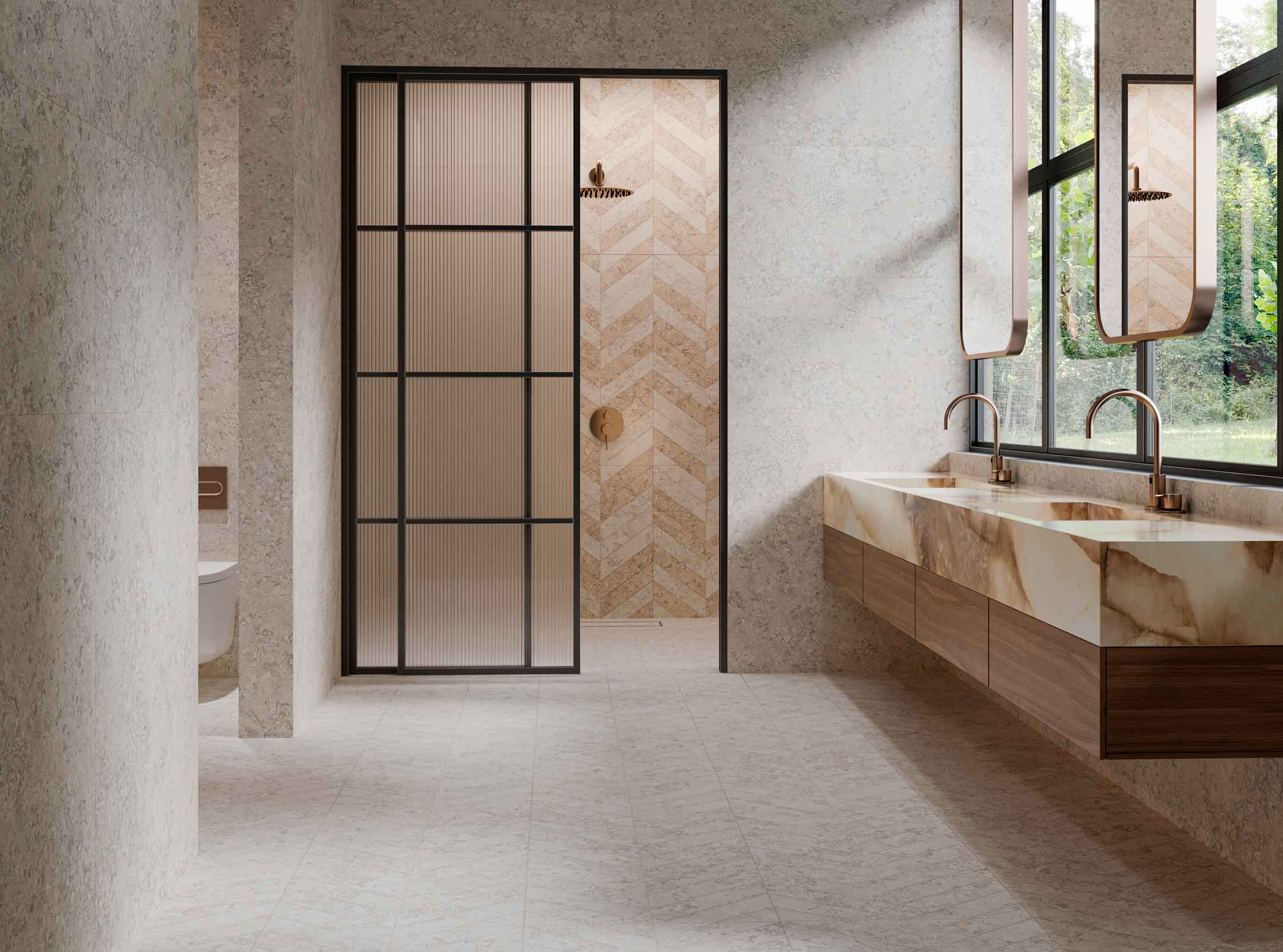
Tuscany
Interior wall coverings combine design and functionality in a single solution. Among the different options available, porcelain tile stands out for its ability to adapt to a wide range of styles, formats, and applications, while also offering high resistance and easy maintenance.